The volume of waste portable batteries is growing every year, and recycling operators are under increasing pressure to process mixed battery streams safely, accurately, and efficiently.
Portable batteries are hazardous waste. They may contain toxic metals, reactive lithium chemistries, damaged cells, counterfeit products, and batteries with missing or unreadable labels. If they are not correctly identified and separated, they can contaminate valuable fractions and increase operational risk.
Battery fires remain one of the most serious challenges for waste and recycling facilities. According to Waste360, “the cost of fires to the waste and recycling operators and to the fire professionals who are forced to fight these fires is more than US$1.2 billion annually” waste360.com.
This is why reliable battery chemistry identification matters. BATTERAY™ Series technology uses X-ray analysis, AI-powered recognition, and, in advanced platforms, combined optical and X-ray detection to reveal the true chemistry inside every battery and support cleaner, safer recycling operations.
Read more from linevsystems.com
Datasheet
Since 2018, LINEV Systems has been developing X-ray battery sorting technology to solve one of the most difficult challenges in battery recycling: identifying battery types and chemistry when labels are missing, damaged, corroded, or unreliable.
BATTERAY™ is an industrial X-ray battery sorting machine designed to identify portable waste batteries by internal structure and radiographic features, and sort them into clean fractions for downstream recycling. It is the proven and cost-efficient entry point into automated X-ray battery sorting.
Key Factors
- BATTERAY™ uses X-ray battery inspection to classify batteries by internal structure, not only by external markings.
- The system recognizes unmarked, corroded, damaged, and visually similar batteries where optical or manual sorting may fail.
- AI-supported classification and supervised database expansion help reduce the share of unrecognized batteries over time.
- BATTERAY™ can be used as a standalone sorting system or as part of the wider BATTERAY™ Platform with mixed stream routing, lithium battery classification, pack preprocessing, residual object review, and batch traceability.
The core advantage of BATTERAY™ technology is its ability to analyze the internal structure of each battery using X-ray imaging. This allows the system to classify batteries even when the outside shell is damaged, dirty, corroded, or deliberately misleading.
Machine-learning algorithms support supervised expansion of the battery database, helping system owners reduce the share of unrecognized batteries as new formats, brands, and battery types appear in the recycling stream.
BATTERAY™ is designed for industrial recycling operations that require reliable battery identification without unnecessary complexity. It provides a practical entry point into automated battery sorting and can be expanded within a modular preprocessing workflow as recycling requirements grow.
BATTERAY™ Platform
BATTERAY™ is the proven X-ray sorting system within the BATTERAY™ Platform. Facilities can start with battery sorting and expand step by step with BATTERAY™ ZETA for advanced X-ray battery sorting, BATTERAY™ Li for lithium battery classification where validated, FlowGate XR™ Adaptive for mixed stream routing, SmartCut Safety Gate™ and OpenSort XR™ for battery pack preprocessing, and Batch Passport for batch-level traceability.
Software Features
- Standard sorting using the validated battery sort map
- Sorting with customer-added batteries and an expanded battery database
- Custom programs for adding previously unrecognized batteries to the database
- Support for battery sizes from AAAA to 21700 and other cylindrical formats
Sorting battery groups:
- Zinc–Carbon (ZnC)
- Alkaline (Alk)
- Lithium-Ion (Li-Ion)
- Lithium Primary
- Lithium Iron Disulfide (Li-FeS2)
- Lithium Manganese Dioxide (Li-MnO2)
- Lithium Thionyl Chloride (Li-SOCl2)
- Nickel-Cadmium (NiCd)
- Nickel-Metal Hydride (NiMH)
- Mixed NiCd/NiMH group
Sort map
| ZnC | Alk | NiCd / NiMH | NiCd | NiMH | Li-Primary* | Li-Ion | |
| AAAA (LR61) | + | + | + | + | + | ||
| AAA (R03) | + | + | + | + | + | + | + |
| AA (LR6) | + | + | + | + | + | + | + |
| C (LR14) | + | + | + | + | |||
| D (LR20) | + | + | + | + | + | + | |
| 6F22 (9V) | + | + | + | + | |||
| 21700 | + | ||||||
| 18650 | + | ||||||
| A23 | + | ||||||
| A27 | + | ||||||
| CR2 | + | ||||||
| 16340 (CR123) | + | + | |||||
| 14250 (1/2 AA) | + |
* Li-Primary group includes Li-SOCl2, Li-MnO2 and Li-FeS2 battery chemistries.
Key features

Unmarked Battery Detection
Identifies unmarked, corroded, and counterfeit batteries by analyzing internal structure instead of relying on labels, color, or external condition.

AI-Powered X-Ray Recognition
Uses X-ray battery inspection and machine-learning algorithms to classify battery chemistry with high reliability in mixed waste battery streams.

Industrial Productivity
Supports automated battery sorting with throughput up to 350 kg per hour, depending on the input material and battery mix.

High purity of sorting
Achieves 99.5% sorting purity for Alkaline and Zinc-Carbon batteries, and over 95% for other supported battery groups.

Popular types of batteries
Includes a comprehensive sort map covering the most common portable battery types and sizes, from AAAA and 9V to 18650 and 21700 formats.

Proven BATTERAY™ Technology
Patented LINEV Systems technology, developed for industrial recyclers that need reliable X-ray battery sorting, cleaner output fractions, and reduced manual handling.
Unmarked Battery Detection
Identifies unmarked, corroded, and counterfeit batteries by analyzing internal structure instead of relying on labels, color, or external condition.
AI-Powered X-Ray Recognition
Uses X-ray battery inspection and machine-learning algorithms to classify battery chemistry with high reliability in mixed waste battery streams.
Industrial Productivity
Supports automated battery sorting with throughput up to 350 kg per hour, depending on the input material and battery mix.
High purity of sorting
Achieves 99.5% sorting purity for Alkaline and Zinc-Carbon batteries, and over 95% for other supported battery groups.
Popular types of batteries
Includes a comprehensive sort map covering the most common portable battery types and sizes, from AAAA and 9V to 18650 and 21700 formats.
Proven BATTERAY™ Technology
Patented LINEV Systems technology, developed for industrial recyclers that need reliable X-ray battery sorting, cleaner output fractions, and reduced manual handling.
BATTERAY™ Series: for Every Recycling Scale
The BATTERAY™ Platform was developed to help recyclers build the right battery preprocessing workflow step by step: from proven X-ray battery sorting to advanced sorting, lithium battery classification, mixed stream routing, pack preprocessing, residual object review, and batch traceability.
Each stage is based on a practical idea: use X-ray technology to understand what is inside the battery or battery-related object, then direct it to the right next process instead of relying only on labels, color, shape, or external condition.
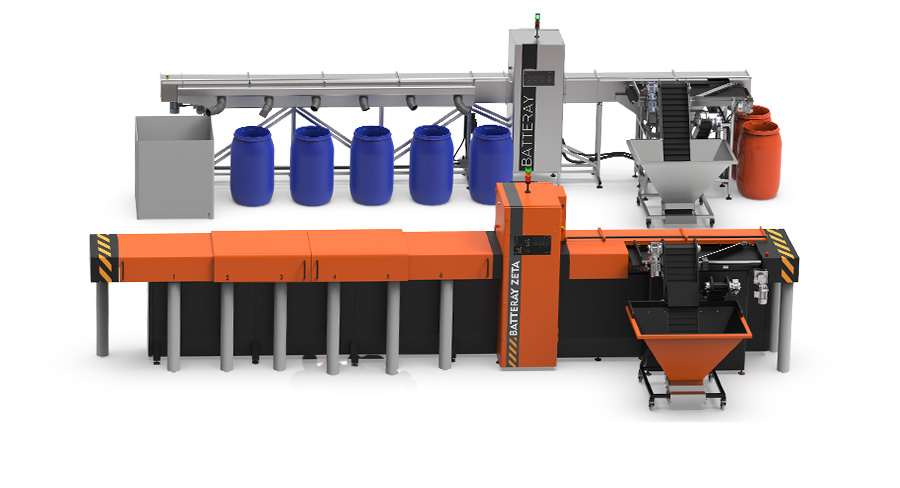
BATTERAY™
|
BATTERAY™ ZETA
|
BATTERAY™ Li
|
Want to learn more about advanced BATTERAY™ ZETA sorting and BATTERAY™ Li lithium battery classification? Visit batterayzeta.com for a deeper overview of BATTERAY™ Platform stages, system differences, and industrial applications.
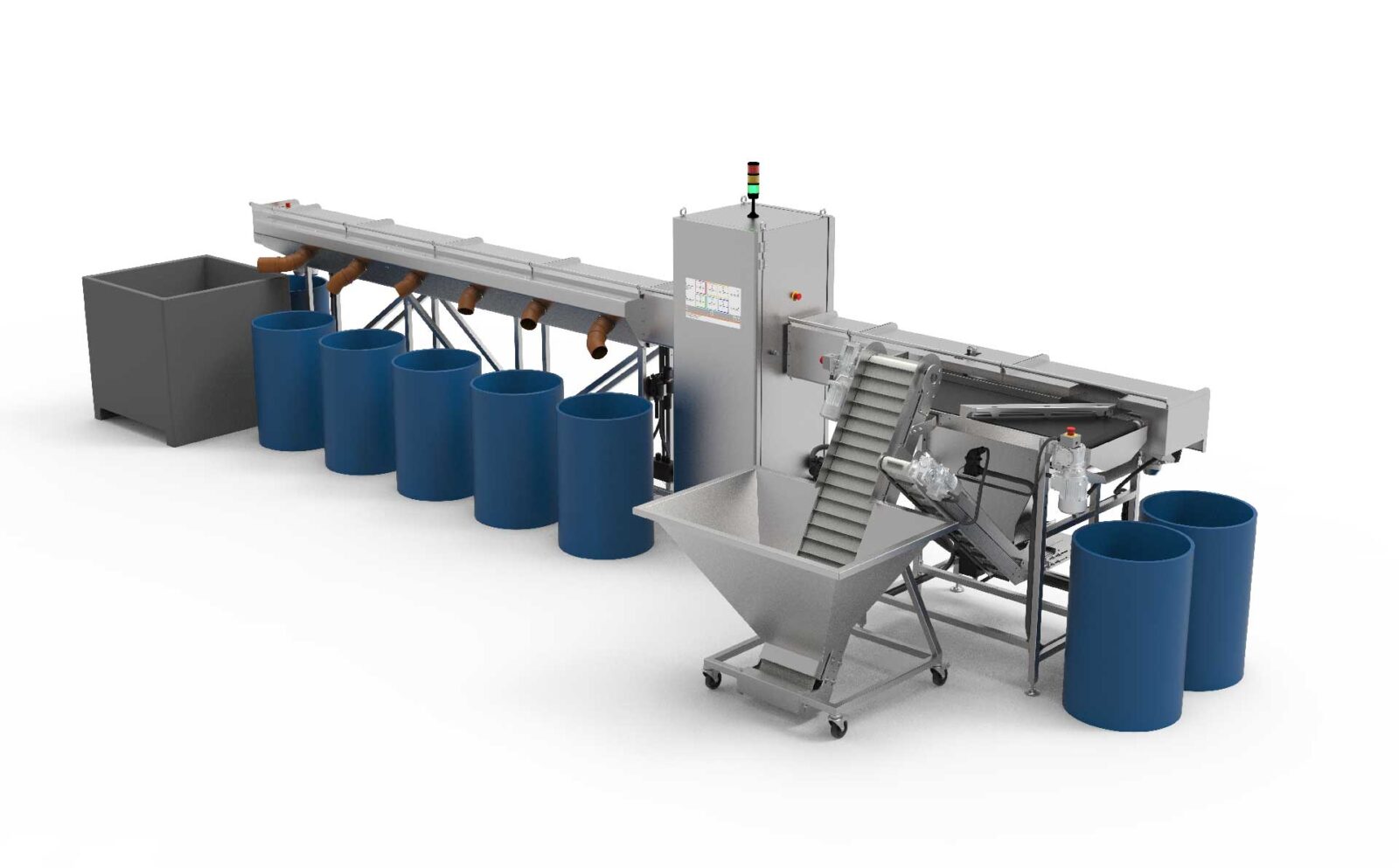
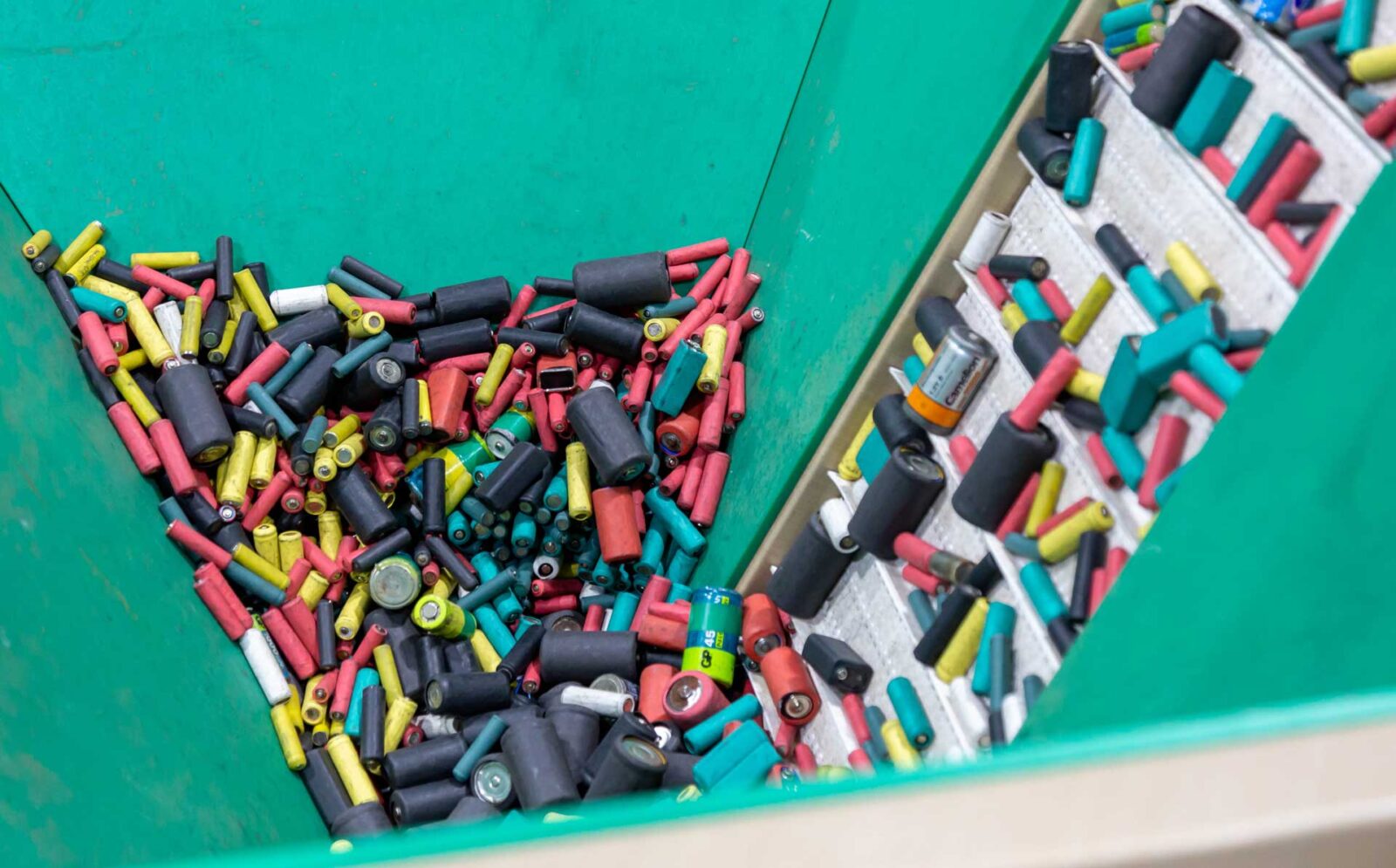
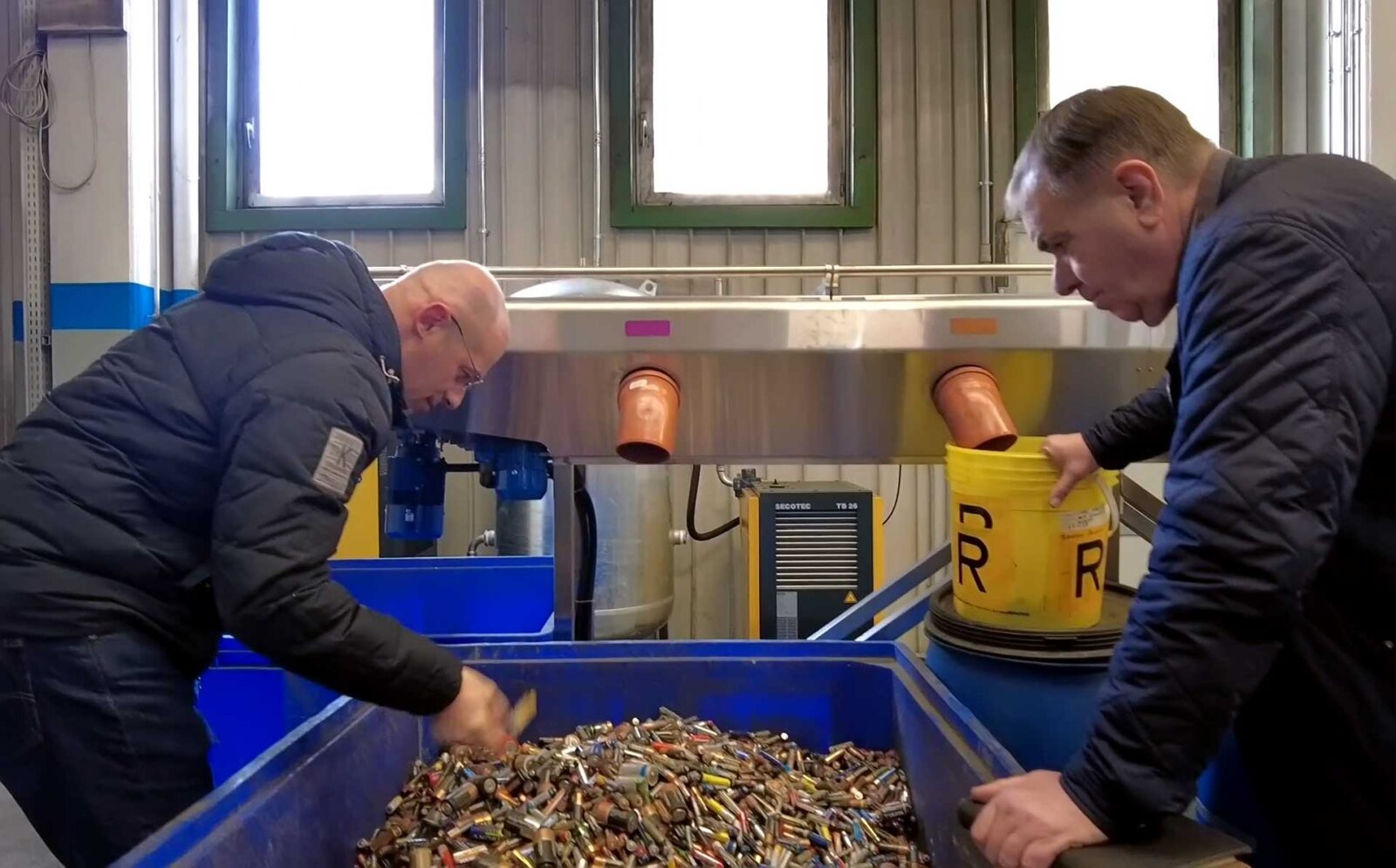
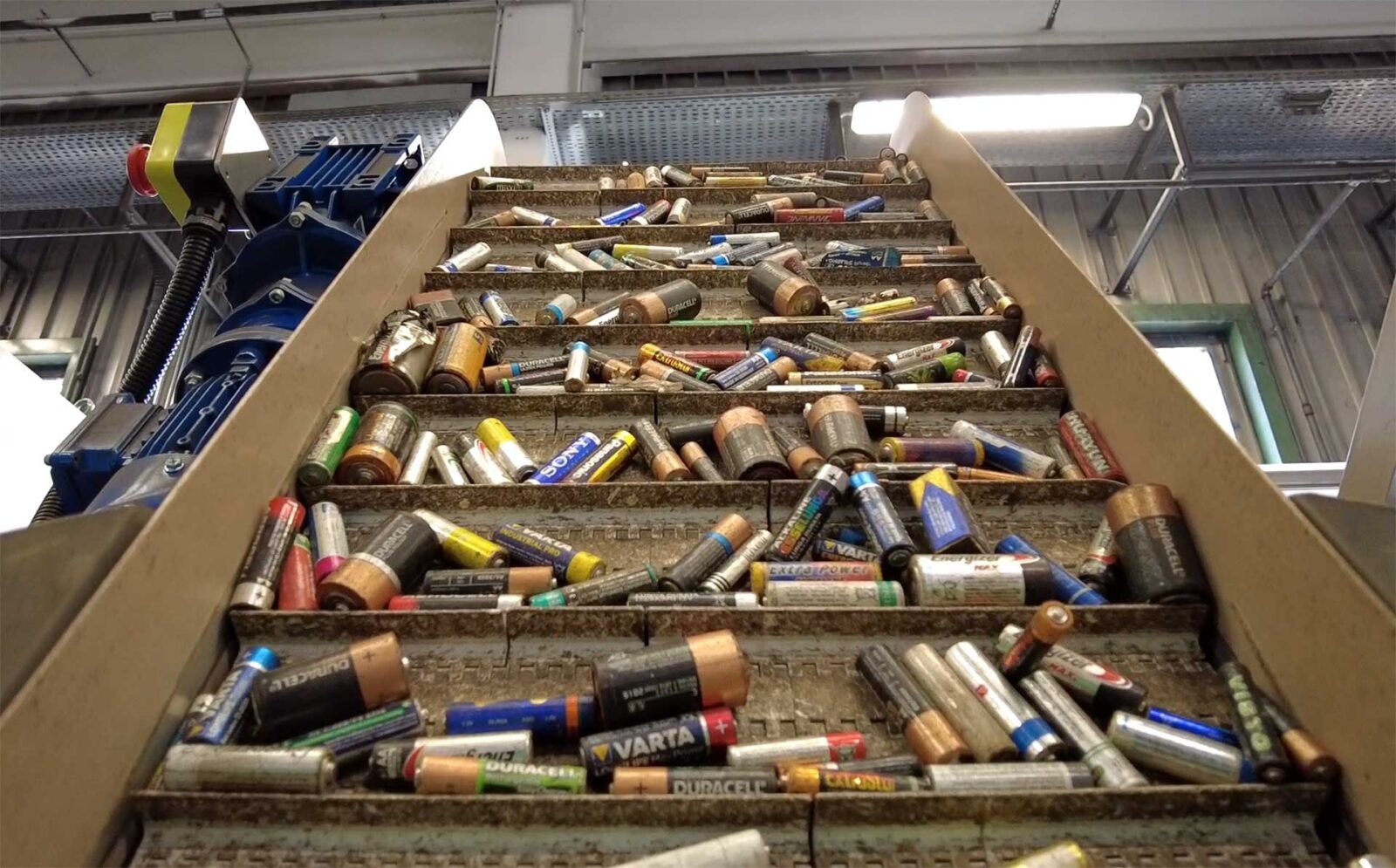





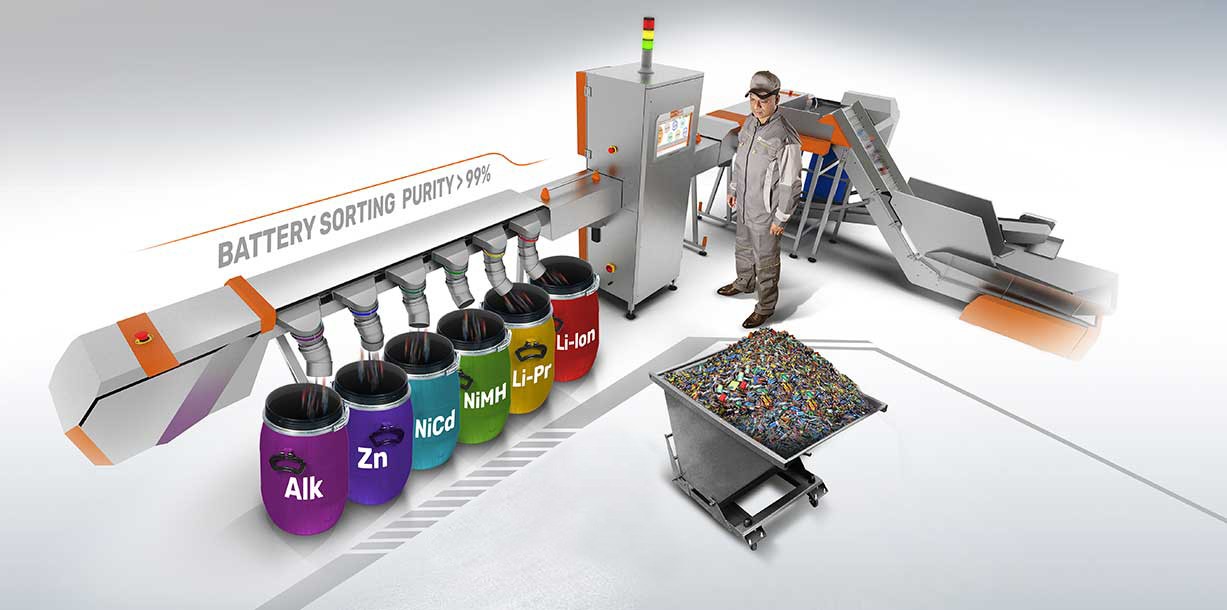
The conveyor system supports continuous industrial battery sorting with throughput up to 350 kg per hour, depending on battery mix and input conditions.

Sorting purity for Alkaline and Zinc-Carbon batteries reaches up to 99.5%, while other battery groups achieve purity levels above 95%, meeting the requirements of modern recycling facilities.

The system includes a comprehensive battery recognition database covering the most common portable battery types and sizes, allowing recyclers to process mixed waste battery streams more efficiently.
Product Videos
Technical data
X-ray source
| X-ray emission | Complies with the standard: 1 μSv/h at any point at a distance of 10 cm from the device. Typical value of our system less than 0.3 μSv |
| X-ray protection | Full operator protection |
Loading
| Loading hopper capacity, up to | 350 kg |
| Loading hopper volume | 250 L |
| Conveyor speed | 1.0 m/s |
| Productivity of pure fractions | up to 18,000 batteries/hour |
| Pneumatic | 10 bar ±10%, ≥500 SLPM |
| Throughput capacity | up to 350 kg/hour, material-dependent |
Dimensions
| Overall dimensions (maximum) | ||
|---|---|---|
| Lenght | 7960 mm | |
| Width | 2690 mm | |
| Height | 2400 mm |
| Layout | 15000 x 8000 mm |
|---|
| Weight (maximum) | 2400 kg |
|---|
Purity
| Zinc-carbon, alkaline | 99.5 % |
| All groups | >95 % |
X-ray source
| X-ray emission | Complies with the standard: 0.1 mrem/h at any point at a distance of 4 in from the device. Typical value of our system less than 0.03 mrem/h |
| X-ray protection | Full operator protection |
Loading
| Loading hopper capacity, up to | 772 lb |
| Loading hopper volume | 66 gal |
| Conveyor speed | 3.28 ft/s |
| Productivity of pure fractions | up to 18,000 batteries/hour |
| Pneumatic | 145 psi ±10%, ≥17.7 SCFM |
| Throughput capacity | up to 772 lb/hour, material-dependent |
Dimensions
| Overall dimensions (maximum) | ||
|---|---|---|
| Length | 26.1 ft | |
| Width | 8.8 ft | |
| Height | 7.9 ft |
| Layout | 49.2 x 26.2 ft |
|---|
| Weight (maximum) | 5,291 lb |
|---|
Purity
| Zinc-carbon, alkaline | 99.5 % |
| All groups | >95 % |
Feedbacks and related links
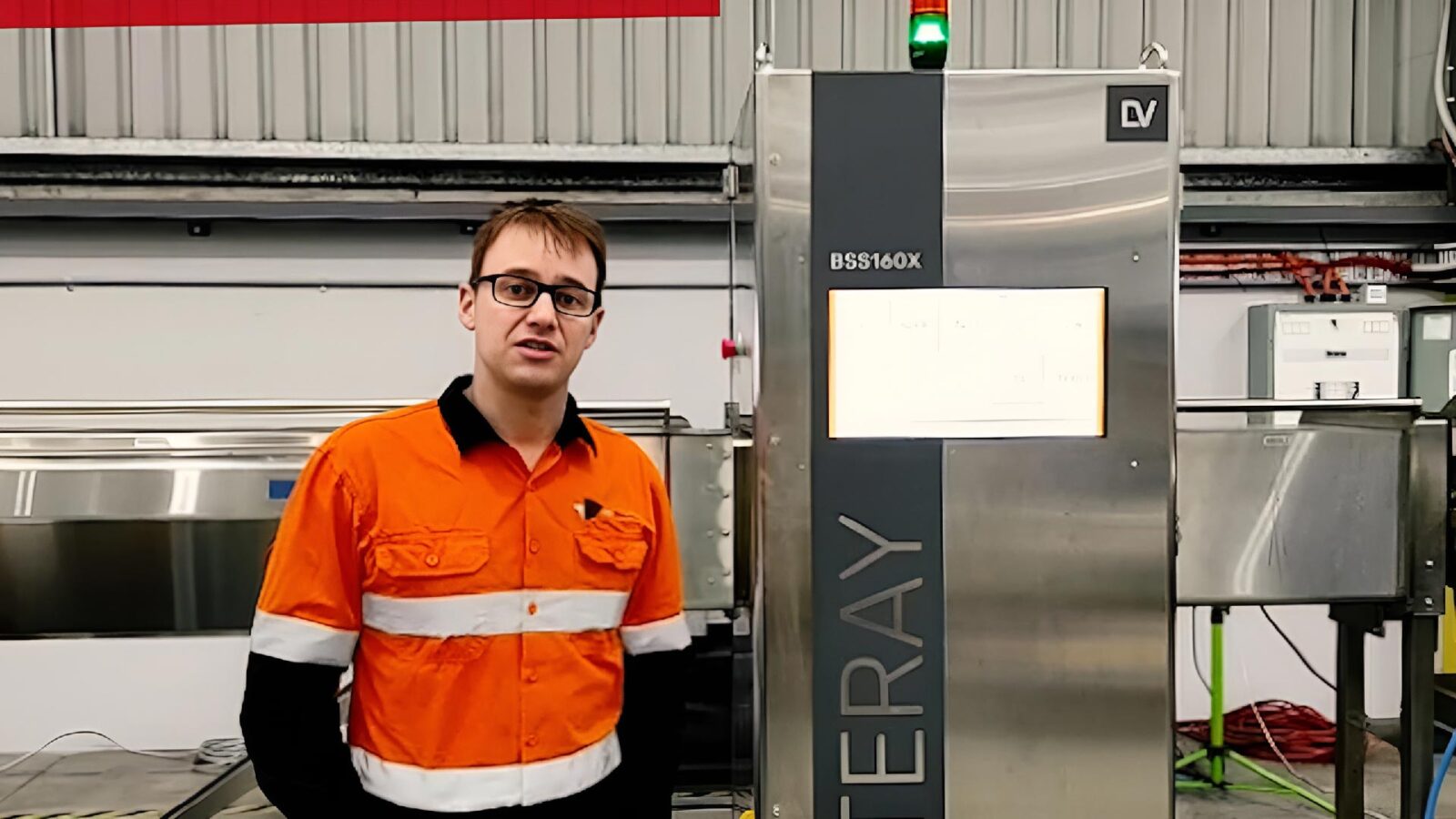
Customer Reviews & Installation Videos
Modern battery recycling starts with a difficult technical question: how can a mixed stream of portable batteries be classified accurately when many items are corroded, damaged, unmarked, counterfeit, or visually similar? With more than 200 battery types and formats on the market, surface-based identification alone is not reliable enough for industrial battery sorting.
Traditional methods such as manual inspection, optical recognition, weight-based sorting, and magnetic separation can support parts of the process, but each has limitations. Labels may be missing or misleading, battery casings may be damaged, and batteries with similar size or shape may have different internal chemistries.
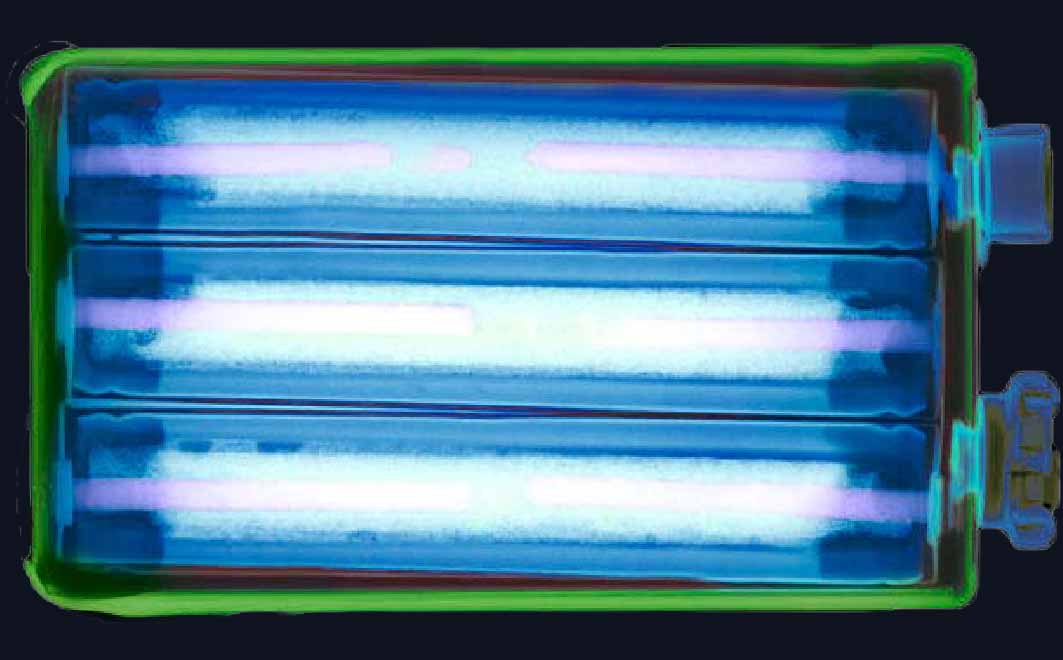
X-ray battery inspection solves this problem by analyzing the internal structure of the battery rather than its external appearance. The system evaluates internal features, material density, absorption patterns, and structural characteristics that are directly connected to battery chemistry.
Since 2018, LINEV Systems has been developing this approach into industrial battery sorting technology. BATTERAY™ uses X-ray recognition and AI-supported classification to identify battery chemistry, improve sorting purity, and help recyclers obtain cleaner fractions for downstream processing.
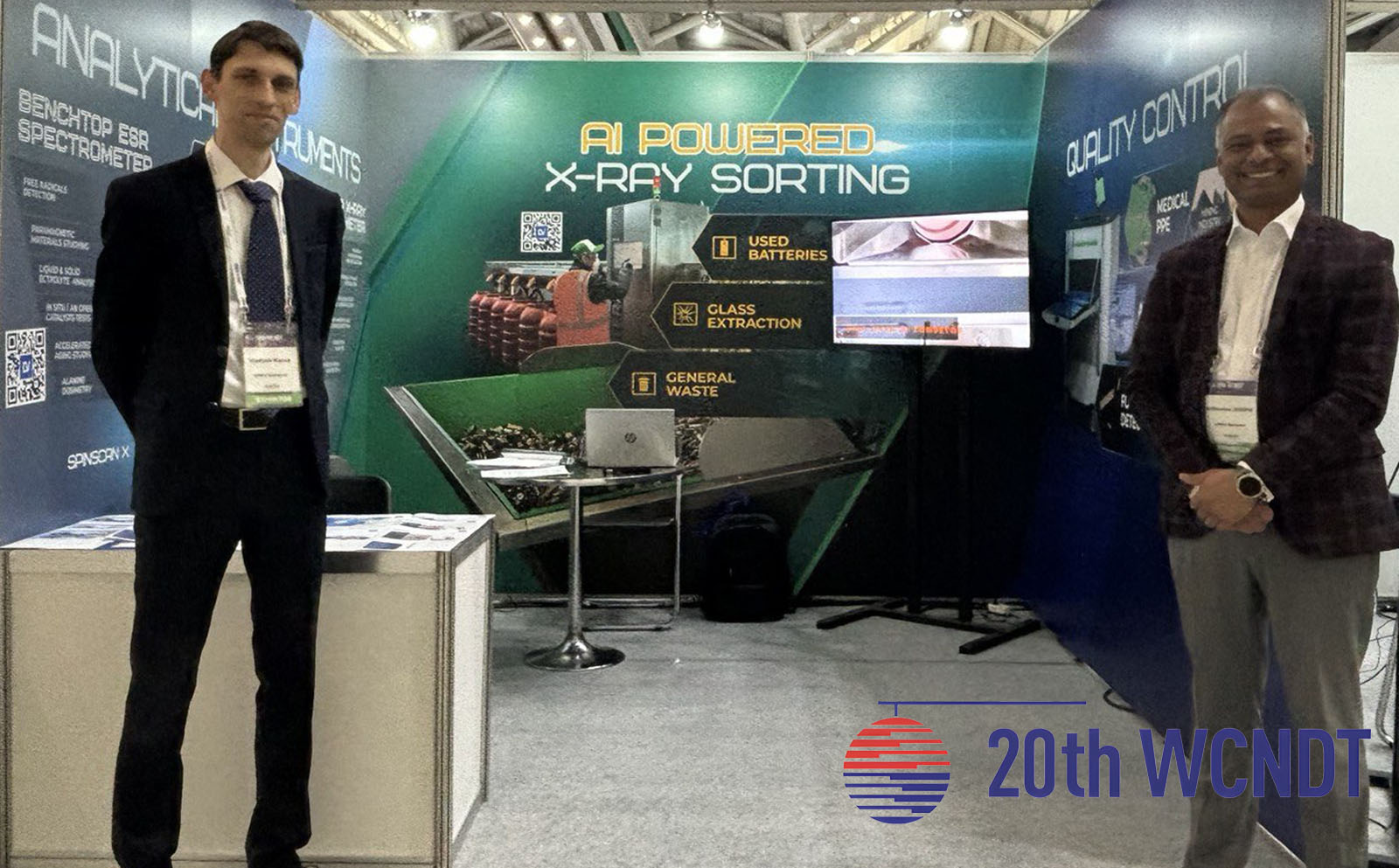
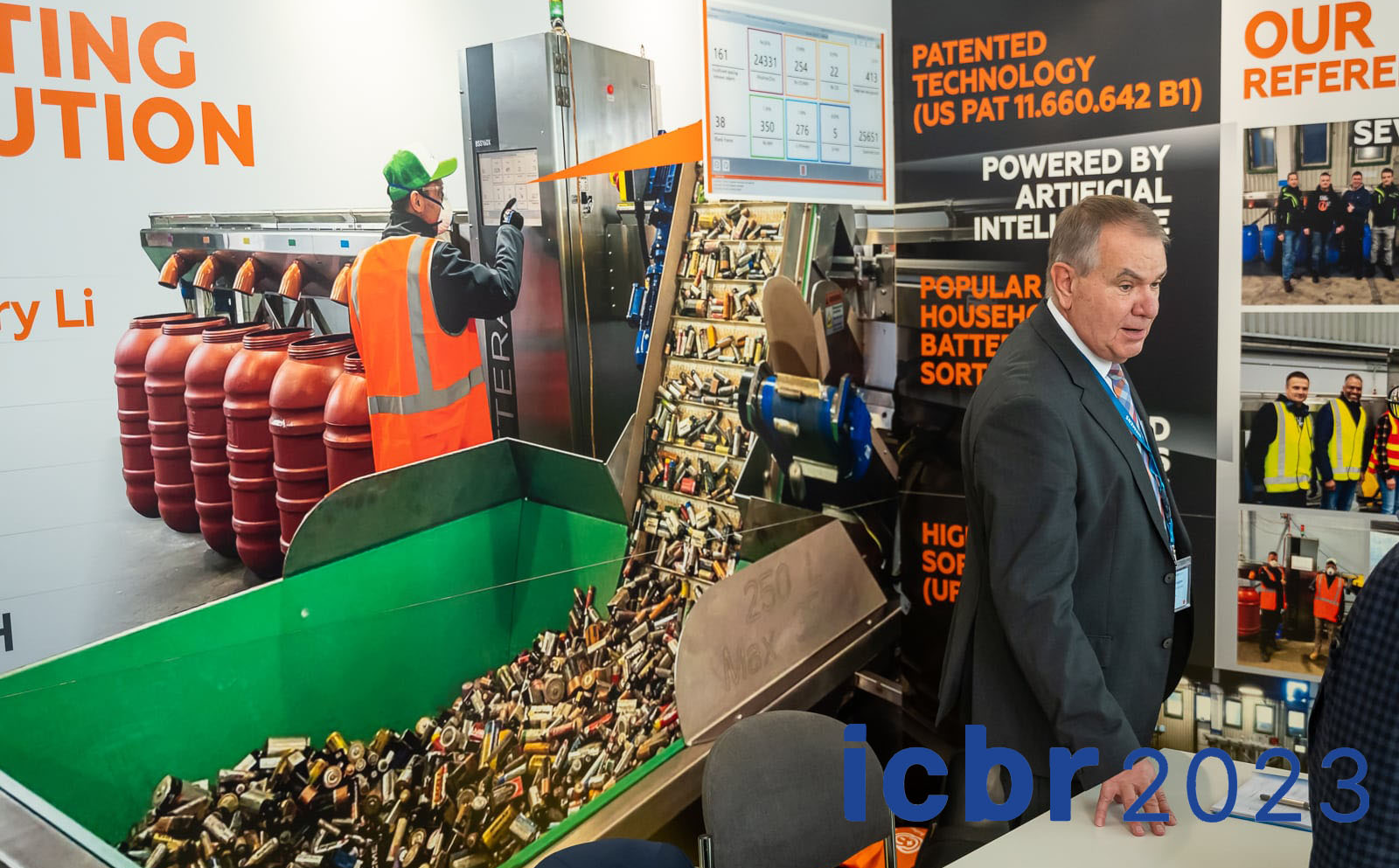
Event сalendar


The fastest way to hear back from us is completing the contact form below. Our expert team will get back to you as soon as possible.